Behind Singapore’s bustling city streets, some individuals face challenges in finding a safe place to sleep. According to a survey conducted by the Ministry of Social and Family Development (MSF), approximately 469 rough sleepers were identified in Singapore1. This includes individuals who have no homes as well as those who have homes but face difficulties returning to them for various reasons1. Many were found sleeping on benches, chairs or tables in sheltered and well-lit locations.
Beyond housing difficulties, access to healthcare resources may also be a concern About half of the rough sleepers surveyed reported having a medical condition or disability1. The most commonly reported medical conditions included hypertension, other chronic conditions, joint-related pain, hyperlipidaemia, diabetes and heart disease1. Meanwhile, some respondents were unsure whether they had any existing health conditions, as they had not undergone health screenings or visited a doctor1. For rough sleepers, limited access to health screenings and follow-up care may leave chronic conditions undetected or inadequately managed.
Our Point-of-Care Solution in Supporting Outreach Initiative
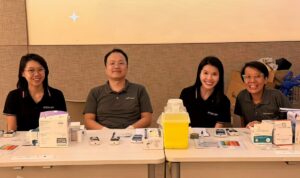
We recently came across media coverage featuring our point-of-care testing solutions in Tzu Chi Foundation (Singapore)‘s community outreach and care initiatives. At the heart of this initiative is a group of dedicated volunteers who are often the first to approach rough sleepers. By building trust over time, listening to their needs and offering assistance when needed, including medical support, these volunteers help make healthcare more accessible to the community.
The point-of-care devices featured are the PreciS™-A HbA1c Rapid Analysis System, which measures average blood glucose levels over the past two to three months to support diabetes management, and the PreciS™-C Cholesterol Monitoring System, which provides a comprehensive lipid profile, including total cholesterol, HDL, calculated LDL, triglycerides and the CHOL/HDL ratio. Both portable devices were used by volunteers to conduct health checks during their outreach visits. With no fasting required, these devices offer a convenient way to access health checks anytime and anywhere.
Our journey with Tzu Chi Foundation (Singapore) began through our previous involvement in the Safe Sound Sleeping Places (S3P) programme, during which we provided health checks for rough sleepers. We are encouraged to see our point-of-care solutions continuing to support its outreach initiatives and reaching individuals who may otherwise face barriers to accessing healthcare.
Through our involvement in various community outreach initiatives, we have observed that not everyone has access to regular health screenings, and some chronic conditions may remain undetected or inadequately monitored. By bridging this gap, we hope our point-of-care solutions can make health checks more accessible within communities, creating opportunities for early detection of potential health risks, encouraging timely intervention and supporting long-term health management.
Watch the video below to learn more:
References:
1Ministry of Social and Family Development (MSF). Report on the Street Count of Rough Sleepers 2025. https://www.msf.gov.sg/api/media/ff51a73f-e126-4c09-97e8-ff6abec32ea1.pdf